

Both commercial and residential property investments come with different costs, risks, returns and responsibilities, so it is important to be educated and understand each of these wealth-building strategies, especially if you want to know more about property investment for beginners.
Why Property Investment is a Popular Wealth-Building Strategy
Property investment is a popular wealth-building strategy, as it combines multiple financial drivers that work together over the long term. Properties have capital growth, meaning there is an increase in a property’s value over time. From your first investment property, you can also gain a steady rental income, claim tax benefits or use it to hedge inflation and grow your portfolio.
Understanding Residential Property Investment
What is Residential Property Investment?
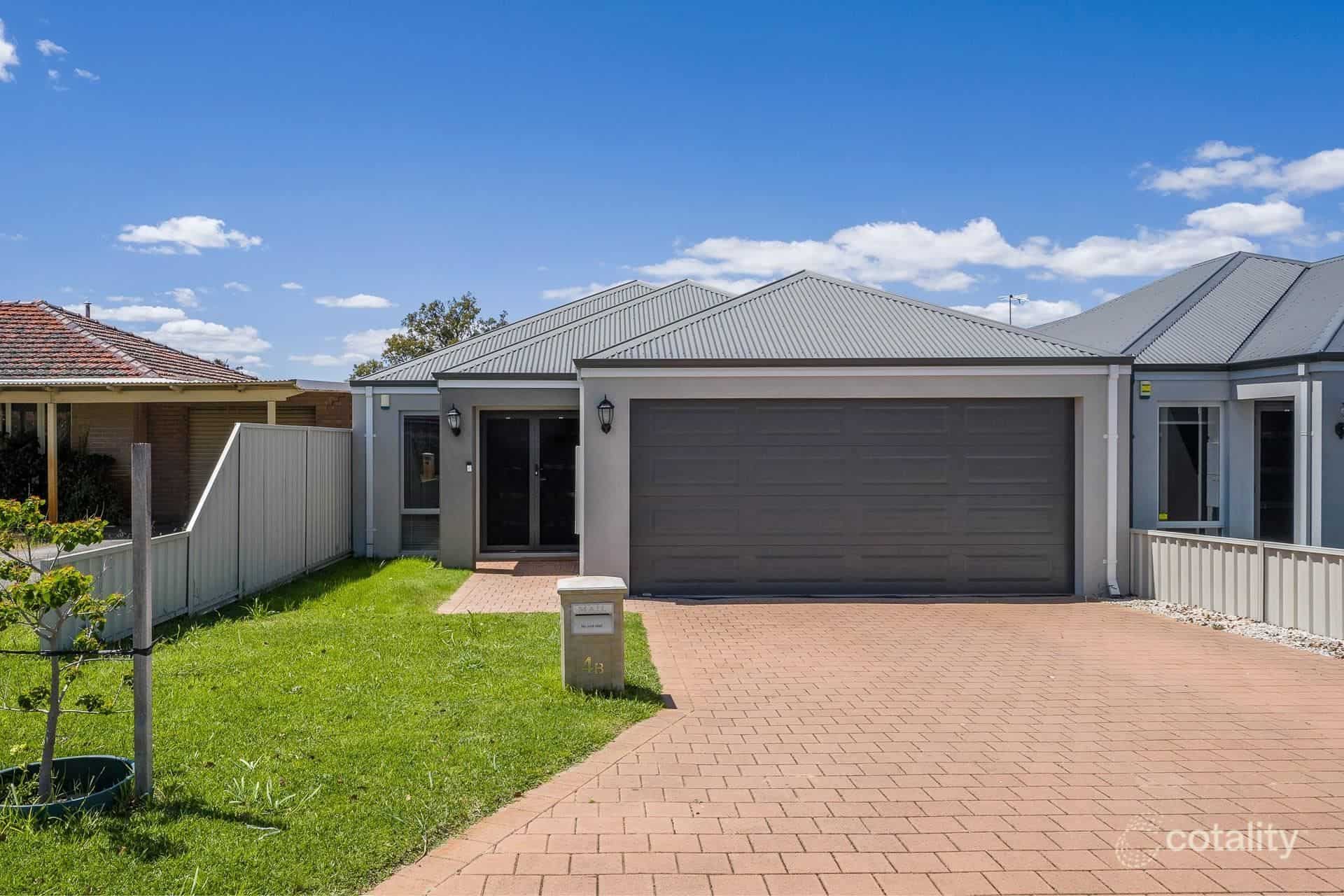
Residential property investment refers to buying a house, apartment, or townhouse to generate a financial return rather than to live in it.
What Does Rental Income Mean?
Rental income is the income you make from tenants that are renting your property. As one of the two income streams from residential investment properties (with the other being price growth), you can earn regular (usually weekly) income from tenants who rent your dwelling.
What is Capital Growth?
Capital growth is the other way your residential investment property can make money. Capital growth refers to the increase in the value of a property over time. The average annual capital growth of residential investment properties is around 5.6% to 7% over a typical 30-year property cycle.
What is Tenant Demand?
Tenant demand is the number of tenants on the market looking to rent dwellings. Due to high migration driving population growth over the past 12 months, tight vacancy rates and housing affordability pressures, there is high tenant demand across Australia.
Understanding Commercial Property Investment
What is Commercial Property Investment?
Commercial property investment refers to buying real estate used solely for business or commerce, rather than for residential living.
What is Commercial Rental Income?
Compared to residential investment properties, commercial properties offer a distinct rental income profile characterised by higher net yields, longer lease terms and business-focused outgoings (tenants contribute towards council rates, water rates, etc.)
What is Commercial Capital Growth?
Commercial property is primarily valued as a business asset based on its income, meaning properties with long-term or creditworthy tenants are valued higher, as they have lower risk.
What is Commercial Tenant Demand?
Unlike residential demand (driven by population growth and housing shortages), commercial property tenant demand is directly tied to broader business activity, including economic growth, population trends, and industry-specific requirements.
Differences Between Residential and Commercial Investment Properties
| Investment consideration | Residential Property Investment | Commercial Property Investment |
|---|---|---|
| Entry cost | Usually a deposit of 5% – 20% of the purchase price plus up-front acquisition and government fees. | Usually a deposit of 20%-35% of the purchase price plus up-front acquisition and government fees. |
| Tenancy demand | Generally high demand across Australia, especially Perth. | Varies drastically across sectors, locations, and economic conditions. |
| Capital growth | Delivers stronger and more consistent capital growth rates, roughly 6.9% to 8% per year. | Generally experiences slower or more moderate capital growth, often estimated around 3% to 5% per year. |
| Rental yields | Gross rental yields for residential property in Australia average around 3.85% to 4% nationally. | Commercial property rental yields in Australia generally range between 5% and 8% net. |
| Lease length | Usually 6-12 month fixed term. | Longer leases, usually between 3 and 10 years. |
| Maintenance | Typically costs 1% to 4% of a property’s value annually. | Typically ranges from 1% to 3% of the building’s total value annually. |
Advantages and Disadvantages of Commercial Property vs Residential Property
| Advantages | Disadvantages | |
|---|---|---|
| Residential | Generally lower entry cost Lower vacancy risk Easier financing Longer loan terms Easier exit strategy |
Landlord responsibility for outgoings Higher tenant turnover Slow portfolio growth Lower rental yields |
| Commercial | Higher rental yields Tenant-paid outgoings Longer lease terms Predictable rent increases Lower tenant turnover |
Higher entry costs Extended vacancy periods Fewer buyers Complex agreements Economic vulnerability |
Still Not Sure Which Investment is Right for You?
If deciding between a commercial property investment and a residential property investment as a beginner investor still seems like a difficult choice for you to make, reach out to our team at Follio. We specialise in property portfolio management for clients across Australia, with the goal of building long-term wealth throughout their property journey.