

Sydney's 70-Year Homeownership Low: Budget Consequences | Follio
Watch here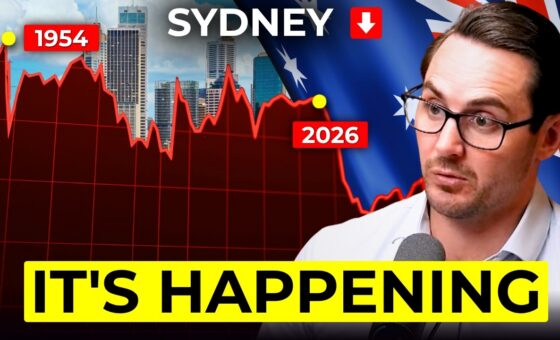
Sydney’s Homeownership Rate at a 70-Year Low: What the 2026 Budget Actually Caused
The 2026 Budget was designed to help first home buyers. Instead, first home buyer participation fell from 66.7 percent to 54.9 percent, investor activity in new builds surged 76 percent, and Sydney’s owner-occupier rate has dropped to 59.9 percent, the lowest level since 1954. Reece Beddall and Lachlan Delahunty dissect four major AFR articles published in the weeks after the Budget and explain why the unintended consequences are now visible in the data.
Why First Home Buyers Stepped Back After the Budget
The Budget’s negative gearing changes removed a primary incentive for investors in established property while leaving new construction untouched. The result is a flood of investor demand into house-and-land packages and outer-fringe developments, driving up prices in the new build market and reducing the supply of established stock available to first home buyers who relied on that segment for affordability.
Simonds reported a 76 percent spike in investor inquiries post-budget. Outer-fringe developments are at risk of becoming investor-dominated precincts with minimal owner-occupier demand, concentrating supply in locations with limited employment and infrastructure rather than where population growth is structural.
Sydney’s Affordability Ceiling and What It Means
Sydney’s $1.26 million median price against a 65 percent affordability index, measured as the share of average wage consumed by the average mortgage, made a correction arithmetically inevitable. The city’s homeownership rate at 59.9 percent reflects years of buyers being priced out rather than a sudden post-budget phenomenon, but the Budget has accelerated the dynamic rather than reversed it.
Why Perth and Brisbane Are Structurally Different
The same affordability ceiling analysis applied to Perth and Brisbane shows a fundamentally different picture. Both cities sit below their historical affordability ceilings, supported by wage growth and employment-led population dynamics that Sydney and Melbourne do not currently have. A real investor portfolio teardown closes the episode, with Reece and Lachlan identifying which assets are worth holding and which represent a clear exit case in the current environment.
Published: 04 Aug 2026
Build the portfolio
of tomorrow.
I am...